
Maintaining a clean and organized facility is about much more than simple aesthetics. In the fast-paced world of logistics, supply chain management, and production, cleanliness directly impacts employee safety, operational efficiency, and your bottom line. Whether you are managing a bustling fulfillment center or looking for Essential Warehouse Cleaning Tips and Techniques to upgrade your facility’s hygiene, mastering the art of industrial cleaning is critical.
A pristine workspace prevents accidents, protects inventory, and boosts morale. Read on to discover actionable strategies for transforming your facility, from everyday floor care to specialized deep-cleaning techniques.
The Foundation of Facility Cleanliness: Safety and Standards
Meeting OSHA warehouse cleanliness standards is non-negotiable for facility managers. Cluttered aisles and slick floors are prime culprits for workplace injuries. To stay compliant and safe, proactive teams rely on a comprehensive warehouse cleaning checklist for safety audits. This document should outline daily, weekly, and monthly tasks, ensuring nothing falls through the cracks.
One of the most effective ways to establish a baseline of order is by implementing a 5S warehouse organization system (Sort, Set in order, Shine, Standardize, Sustain). The “Shine” phase places a heavy emphasis on regular sanitation, ensuring that whether you are overseeing standard distribution center cleaning or complex manufacturing plant cleaning, your workspace remains hazard-free.
Top Warehouse Floor Cleaning Techniques
Industrial floors take a relentless beating from forklift traffic, pallet jacks, and heavy footfall. Maintaining them requires specific strategies and the right equipment.
- Tackling Stubborn Spills: Facility managers frequently ask how to remove oil stains from warehouse floors. The key is to act quickly with absorbent materials, followed by advanced warehouse floor degreasing techniques. Be diligent when selecting industrial cleaning chemicals for concrete; using overly acidic solutions can erode the sealant, leading to long-term structural damage.
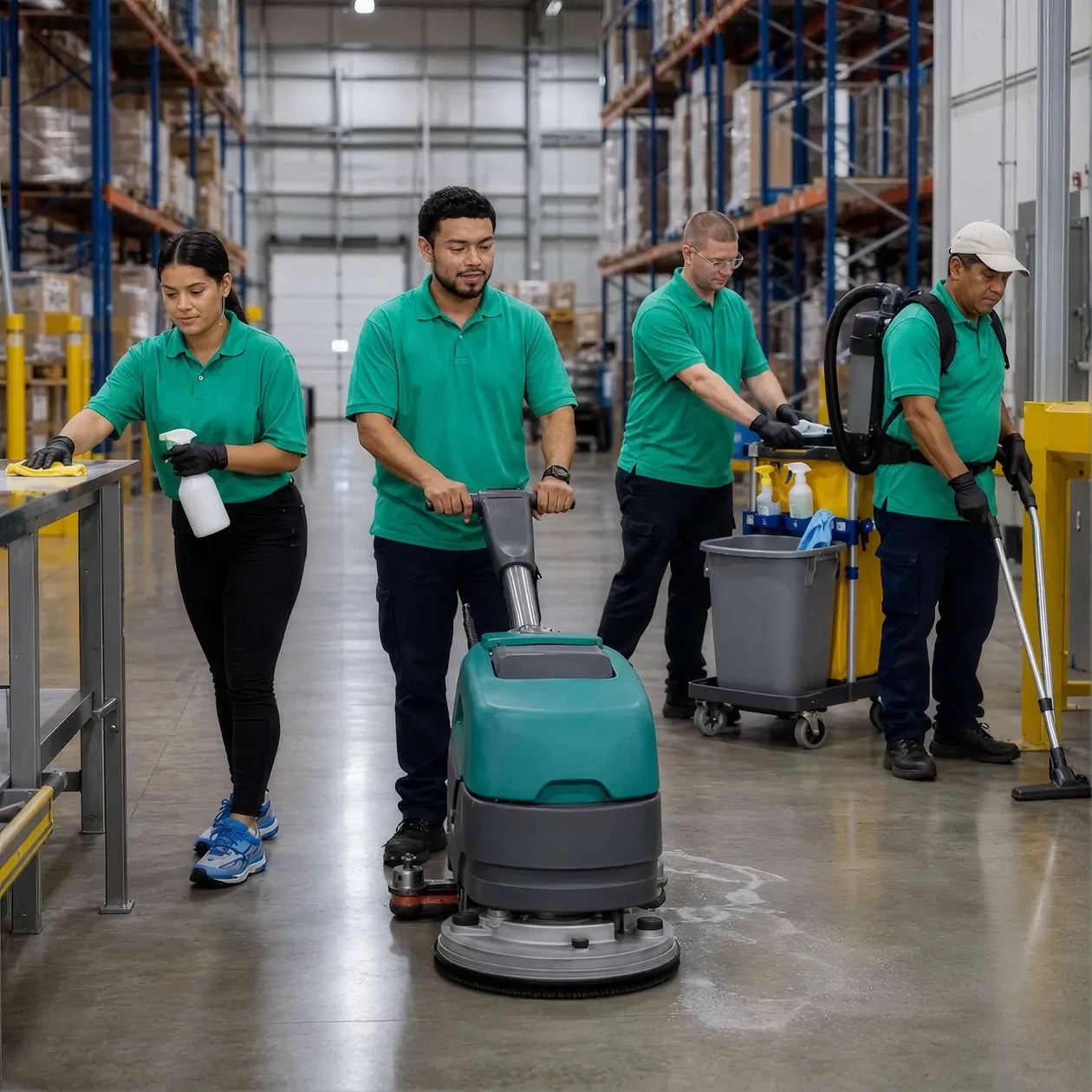
- Choosing the Right Equipment: For daily upkeep, you must weigh the benefits of walk-behind vs ride-on floor scrubbers. Walk-behind units are perfect for navigating tight aisles and congested packing areas, whereas ride-on scrubbers efficiently tackle massive, open square footage. Regardless of the machine you choose, strict industrial floor scrubber maintenance is vital to prevent mid-shift breakdowns.
- Professional Care: For severely degraded concrete or stubborn grime buildup, bringing in a professional warehouse floor cleaning service is often the most cost-effective way to restore your floors to a safe, high-traction state.
Managing Dust and Vertical Spaces
It is easy to focus purely on what is underfoot, but looking up is just as important. Reducing airborne dust in large facilities protects employee respiratory health, prevents HVAC blockages, and keeps inventory looking pristine.
- Rafters and Ceilings: High-level dusting for warehouse rafters is a critical task that should be performed routinely to prevent dust from raining down on products and machinery below.
- Pallet Racking: Don’t ignore your storage structures. The benefits of regular pallet rack cleaning include the prevention of cross-contamination and the ability to easily spot structural damage or rust during wipe-downs.
Specialized Protocols for Unique Warehouse Zones
Different areas of your facility require distinct approaches.
- Loading Docks: Facility operators often wonder, “what is the best way to clean loading docks?” Because these areas are exposed to the elements, they require heavy-duty sweeping, regular pressure washing, and diligent debris removal to prevent pests from entering the building.
- Food Storage: Facilities handling consumables must strictly adhere to warehouse sanitation protocols for food grade storage. This involves non-toxic cleaning agents, rigorous pest control, and frequent sanitization of high-touch surfaces.
- Waste Management: Ensuring the proper disposal of hazardous warehouse waste—like chemical spills or manufacturing byproducts—protects your workforce and prevents hefty environmental fines.
- Administrative Areas: Remember warehouse office cleaning. Keeping administrative areas, breakrooms, and restrooms sanitized prevents the spread of illness and keeps your management team productive.
Bringing in the Professionals: When to Outsource
Sometimes, the scope of a facility is too immense for an internal janitorial staff to handle effectively. This is where partnering with a specialized warehouse cleaning company becomes invaluable. Expert warehouse cleaners possess the heavy-duty equipment and specialized training required to tackle immense logistical spaces safely.
The industrial and commercial cleaning sector offers tailored solutions based on your specific operational needs:
- Production and Assembly: If you operate a hybrid facility, look into manufacturing plant cleaning services or manufacturing cleaning services. They understand how to safely clean around sensitive production lines. Niche services like assembly production cleaning ensure that your line remains free of debris that could halt operations.
- Heavy Machinery: To keep your manufacturing line running smoothly, invest in industrial machine cleaning services. Removing grease and grime from equipment extends its lifespan and prevents costly downtime.
- Logistics and Distribution: Fulfillment hubs benefit greatly from dedicated industrial warehouse cleaning services and distribution center cleaning services.
- Heavy Industrial Hubs: For highly rigorous environments, comprehensive industrial manufacturing cleaning services, industrial plant cleaning services, or specialized factory cleaning services are ideal. Choosing among the top factory cleaning companies guarantees access to highly trained industrial cleaners.
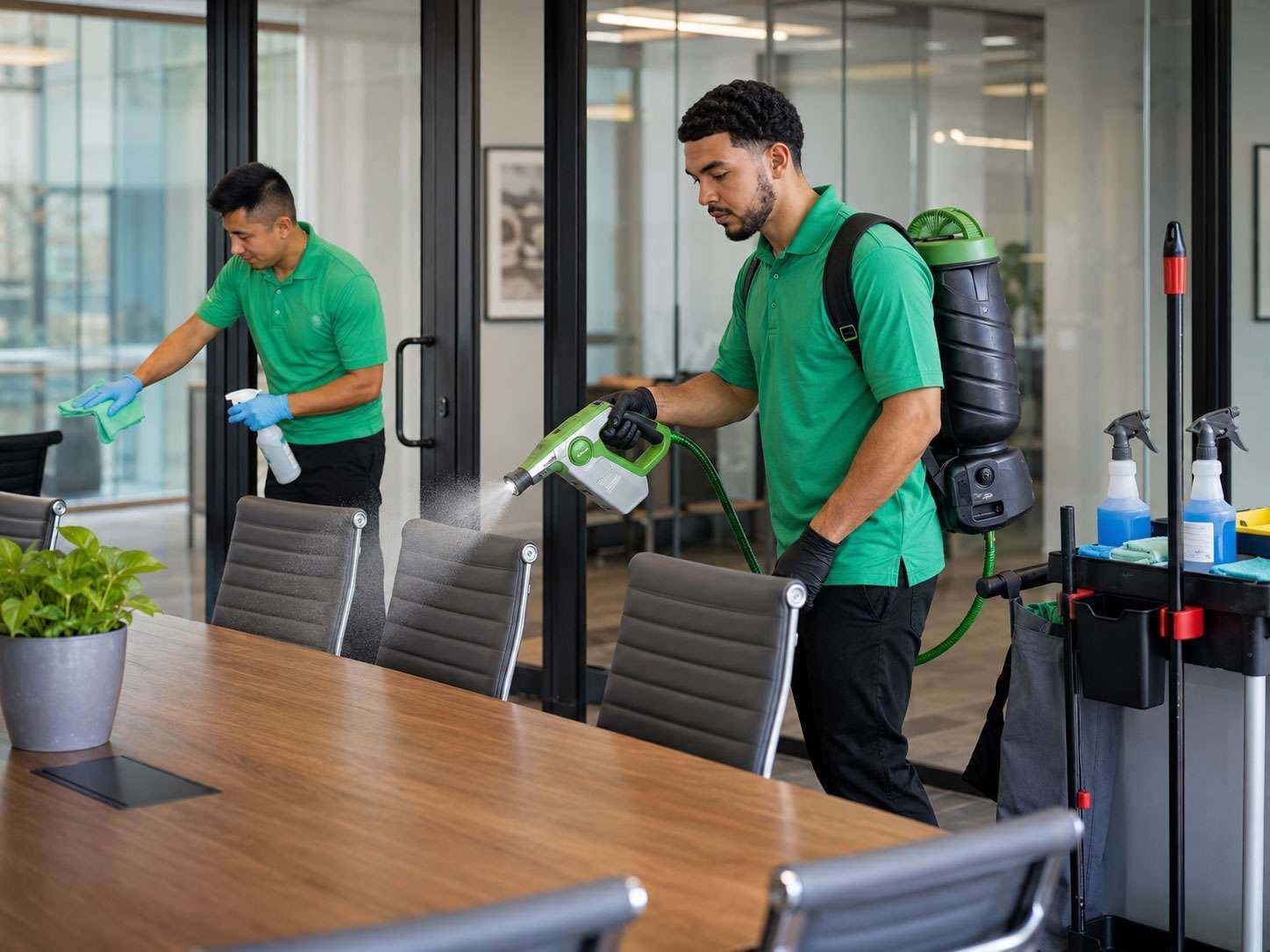
- Comprehensive Disinfection: In today’s health-conscious climate, finding a partner that offers a comprehensive industrial disinfection service is a massive advantage, ensuring that airborne pathogens and surface bacteria are neutralized.
- Versatile Janitorial Care: Broad manufacturing janitorial services can cover everything from the breakroom to the factory floor. The strategies developed for industrial facility cleaning and industrial factory cleaning are so highly effective that they occasionally cross over into massive residential projects, sometimes referred to as industrial home cleaning (often utilized for massive post-construction loft renovations).
Ultimately, whether you need standard warehouse cleaning services, routine manufacturing cleaning, or robust industrial factory cleaning services, outsourcing ensures that safety and hygiene standards are consistently met.
Conclusion
A well-maintained facility is the backbone of a successful supply chain or manufacturing operation. When planning your maintenance calendar, consider the frequency of commercial warehouse deep cleaning. While daily sweeps and routine commercial warehouse cleaning manage surface dirt, a thorough warehouse deep cleaning should occur quarterly or bi-annually, depending on traffic volume.
By utilizing these tips and relying on professional industrial warehouse cleaning partners when necessary, you can ensure a safer, more productive, and highly efficient environment for your entire team.