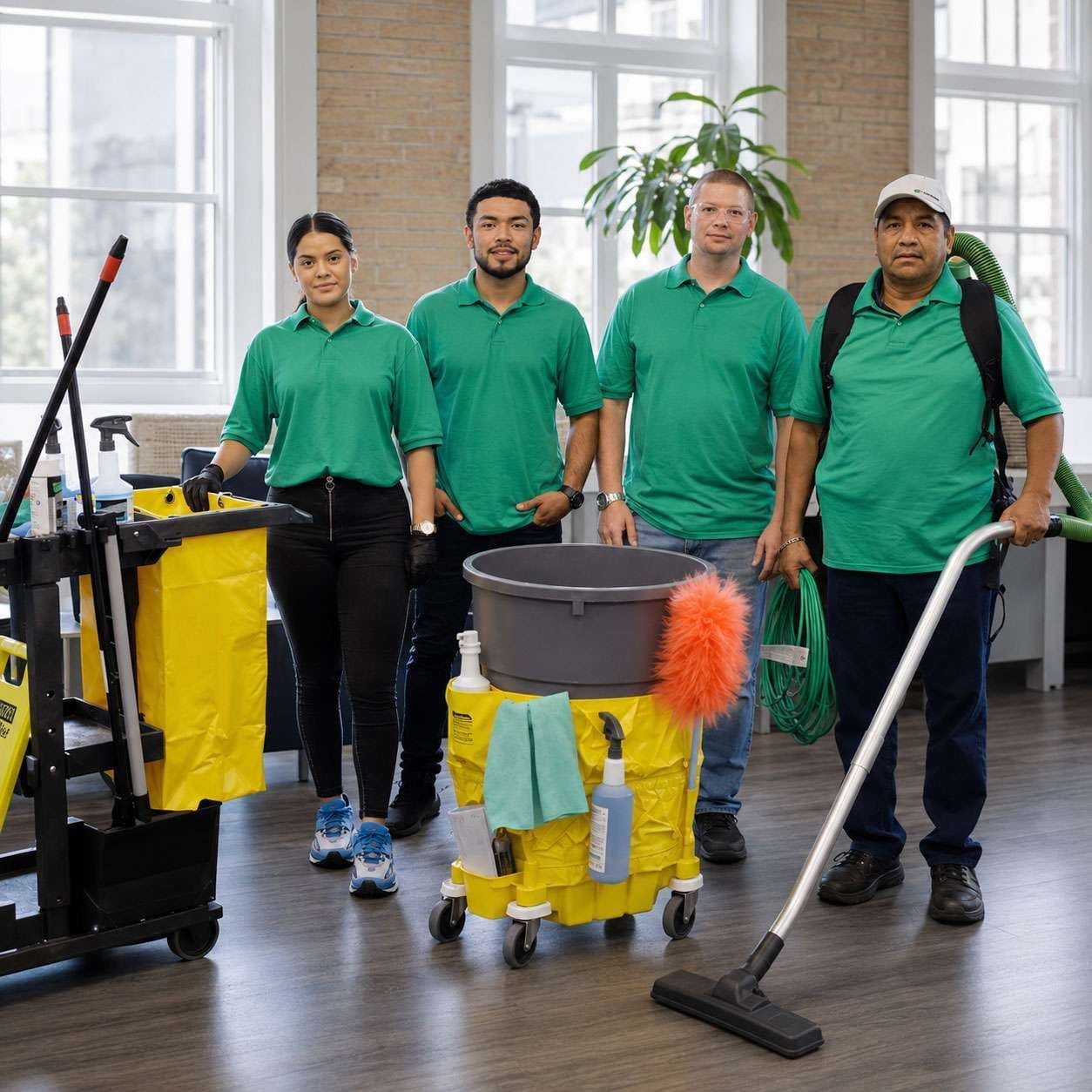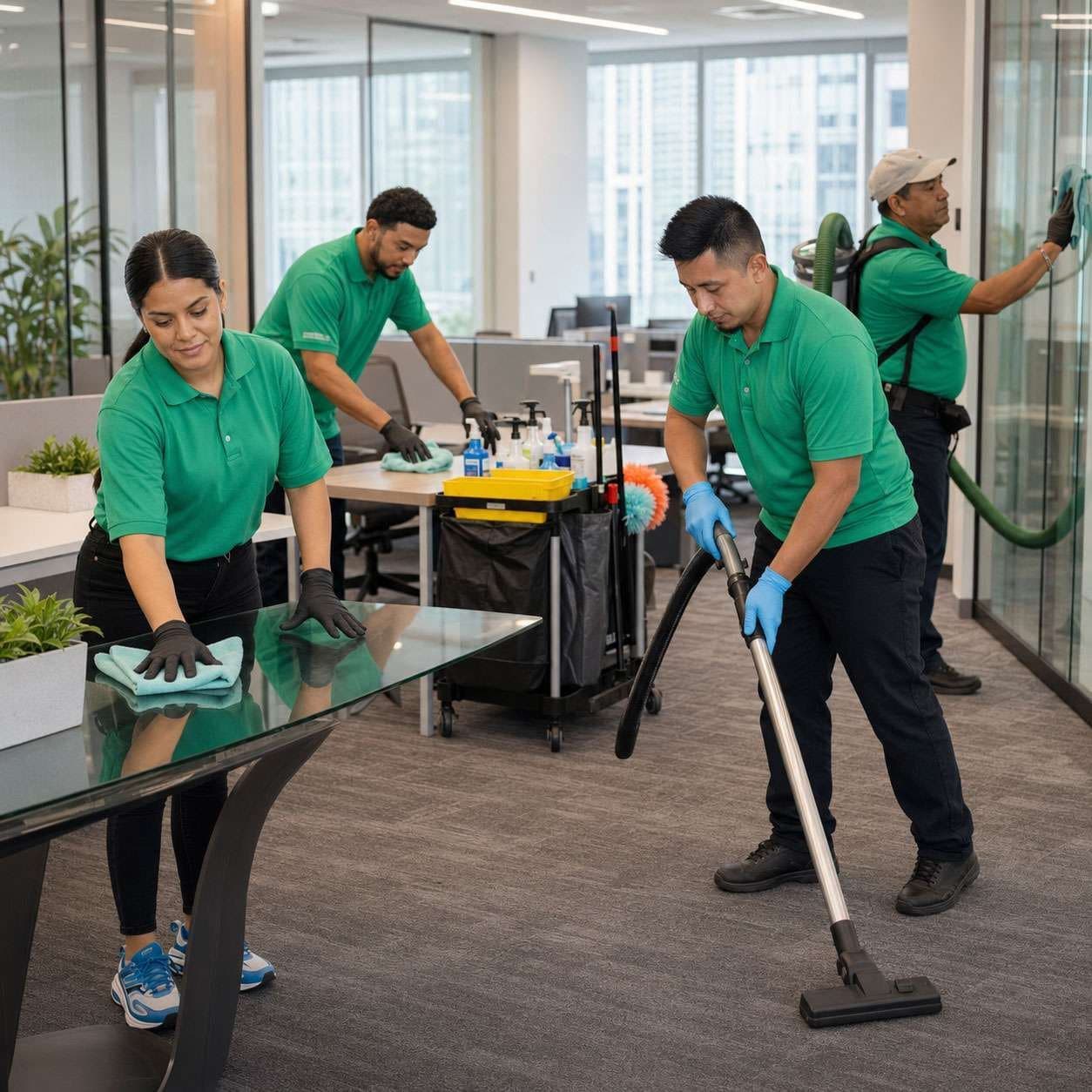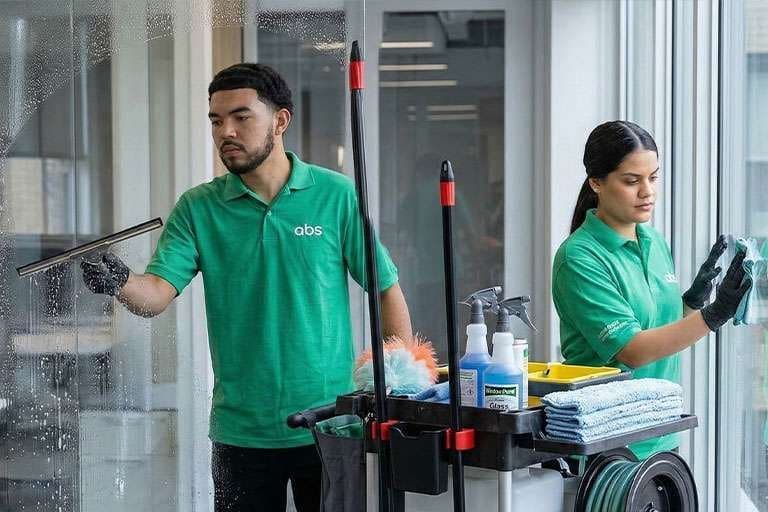

For those seeking specialized care, our medical office cleaning service guarantees the highest standards of cleanliness and safety. Understanding the significance of a clean medical environment not only enhances patient satisfaction but also boosts the overall operational efficiency of the facility.
Benefits of a Professional Medical Office Cleaning Service
In addition to maintaining cleanliness, our team employs a systematic approach to ensure all areas are addressed. We utilize checklists tailored to each specific medical facility, guaranteeing comprehensive coverage of all necessary cleaning tasks. This meticulous attention to detail is vital in preventing the spread of infections and maintaining a safe environment for both patients and healthcare workers.
Moreover, our cleaning teams are trained to recognize potential contamination risks and address them proactively. For example, in a dental office, the cleaning staff must pay special attention to areas where dental instruments are cleaned and sterilized. This focus on high-risk areas ensures that we not only meet but exceed the safety standards expected in healthcare settings.
Additionally, our service includes the use of hospital-grade disinfectants that are proven effective against a wide variety of pathogens, including viruses, bacteria, and fungi. By implementing effective cleaning and disinfection protocols, we ensure a safe environment where patients can receive care without the worry of infections being transmitted. This commitment to safety is reflected in our rigorous training programs which emphasize the importance of using appropriate cleaning agents for different surfaces and environments.
We will also investigate how environmental changes, such as improved ventilation and air purification systems, can further enhance the cleanliness of medical environments. Research indicates that better air quality reduces airborne pathogens, making it essential for medical offices to invest in such technologies.
A further aspect of our service involves educating healthcare staff about the significance of maintaining cleanliness. We conduct workshops aimed at highlighting key cleaning practices that staff can incorporate into their daily routines. This collaborative approach fosters a culture of cleanliness that enhances the overall hygiene of the medical facility.
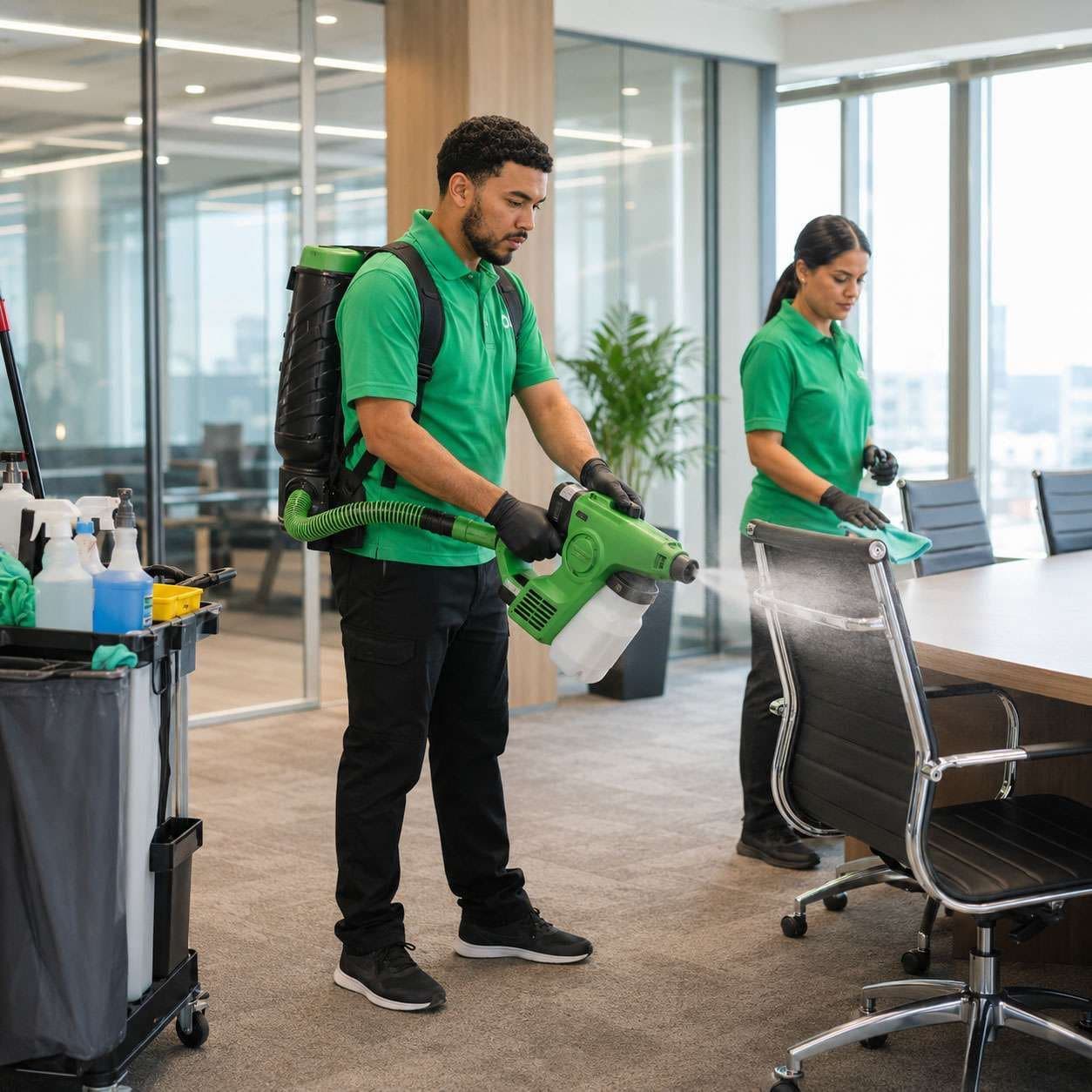
To illustrate our commitment to innovation, we are constantly exploring new cleaning technologies that emerge in the market. For instance, the use of electrostatic sprayers has gained popularity for their ability to evenly coat surfaces with disinfectant, ensuring thorough coverage and reducing the time spent on cleaning. Embracing such advancements exemplifies our dedication to providing top-notch medical office cleaning service.
Furthermore, we recognize that a clean environment is crucial not only for patient trust but also for staff morale. Cleanliness in a medical facility affects the overall atmosphere, leading to a more positive work environment for healthcare professionals. This positive atmosphere can result in better patient care as staff feel motivated and valued within their clean surroundings.
Walking into a medical facility, patients are already in a vulnerable state. The last thing they should worry about is the cleanliness of the environment around them. Behind the scenes of every successful clinic, hospital, and outpatient center is a rigorous, highly specialized process designed to protect both patients and staff. This includes thorough training for cleaning staff, who must understand the unique needs of a healthcare setting, including the proper use of personal protective equipment (PPE) and the correct procedures for handling biohazard materials.
Investing in high-quality medical cleaning services is no longer just about maintaining a polished appearance; it is a critical component of patient care. From bustling emergency rooms to quiet dental clinics, effective healthcare cleaning acts as the first line of defense against harmful pathogens. Regular disinfection of high-touch surfaces, such as doorknobs, light switches, and medical equipment, is essential in preventing the spread of infections. Furthermore, employing advanced cleaning technologies, such as electrostatic sprayers or UV-C light disinfection, can significantly enhance the efficiency and effectiveness of cleaning protocols.
In this comprehensive guide, we will explore the intricate world of medical facility cleaning, detailing the protocols, technologies, and standards required to maintain a safe healing environment. We will discuss the importance of adhering to CDC guidelines, employing green cleaning solutions, and implementing routine inspections to ensure compliance with safety regulations. Additionally, we will provide insights into the training and certification requirements for cleaning personnel, emphasizing the role of continuous education in maintaining high standards of cleanliness in medical environments. By the end of this guide, you will have a clearer understanding of why a professional medical office cleaning service is indispensable to any healthcare provider.
It is also essential to consider the importance of communication and collaboration between cleaning staff and healthcare providers. Regular meetings to discuss cleaning protocols, areas of concern, and feedback from medical staff can help foster a teamwork approach to maintaining hygiene. When cleaning and medical teams work together, it creates a culture of safety and accountability. This can lead to proactive measures being taken when potential contamination risks are identified, ensuring a safer environment for both patients and staff.
In addition to conventional cleaning methods, the integration of technology in cleaning practices revolutionizes the way medical facilities maintain their hygiene. Robotic cleaners, for instance, can efficiently cover large areas, allowing human staff to focus on more specialized cleaning tasks. Moreover, data analytics can be used to monitor cleaning efficiency and ensure that areas are not overlooked. This technological evolution not only improves the quality of cleaning but also streamlines operations, ultimately benefiting the overall healthcare experience.