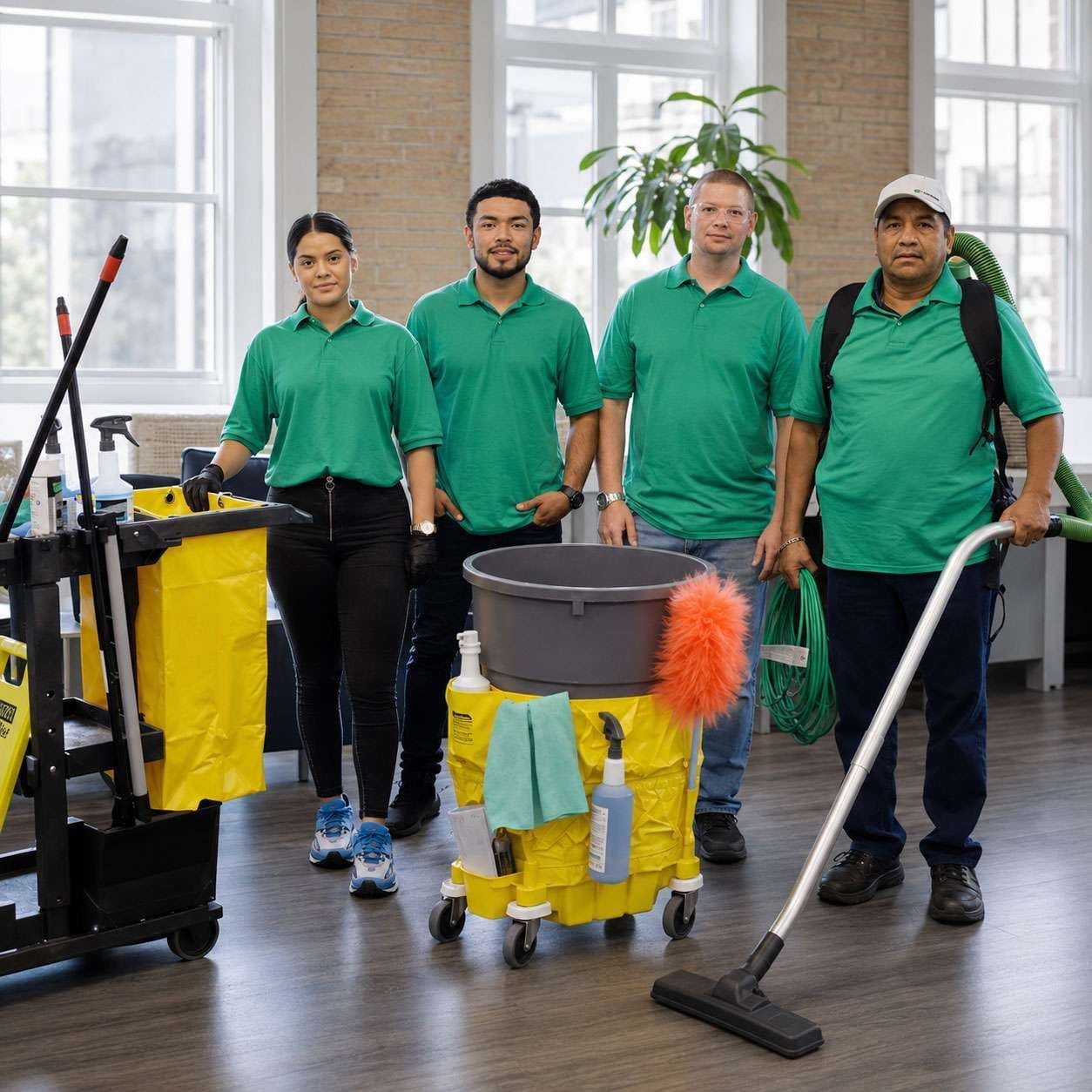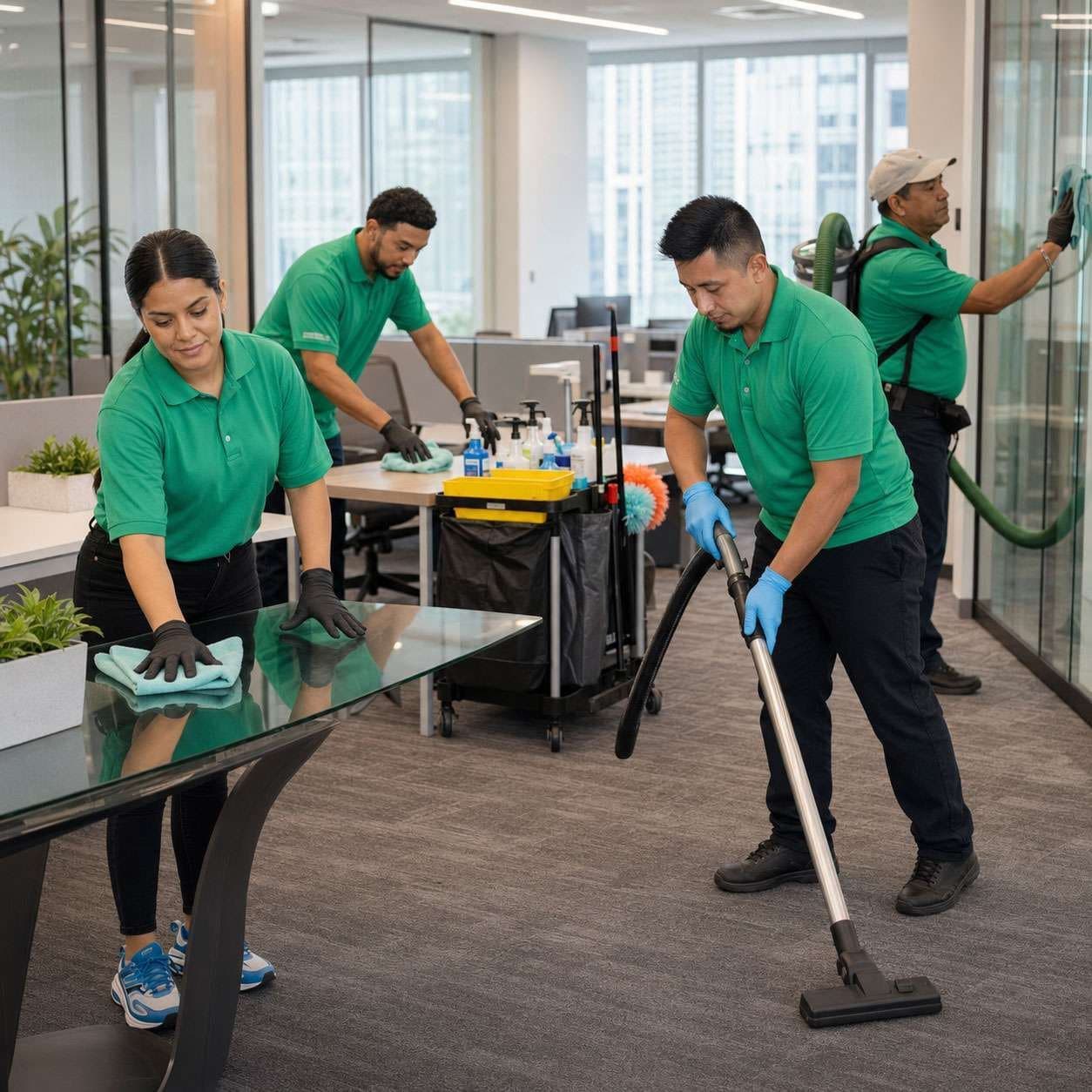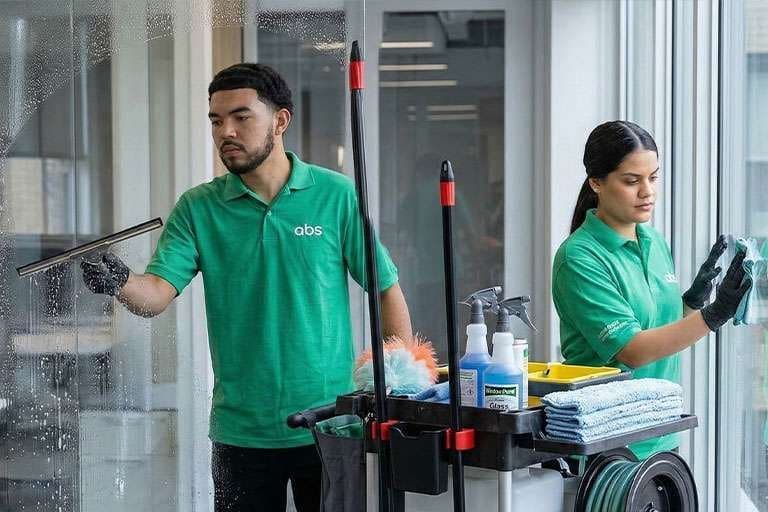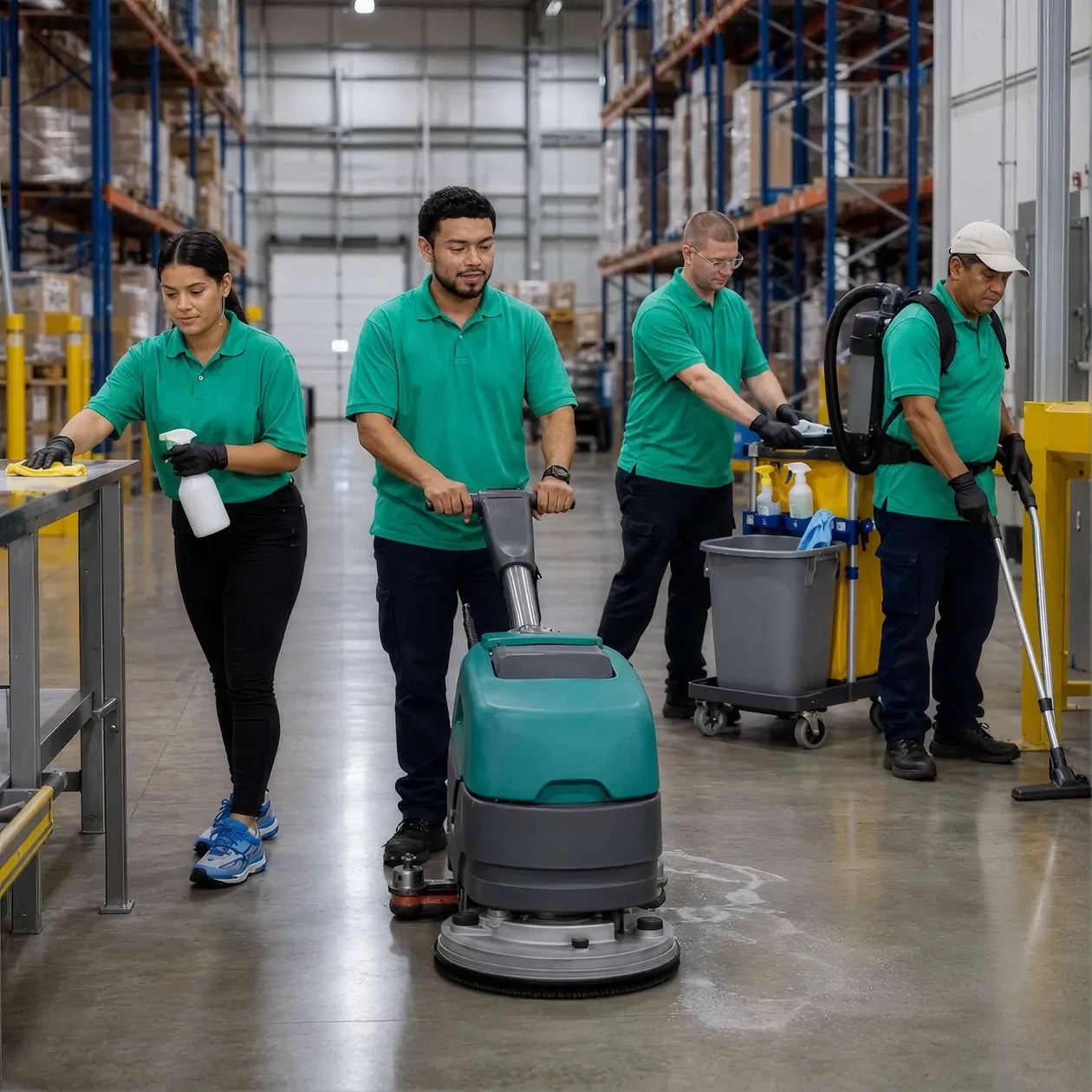

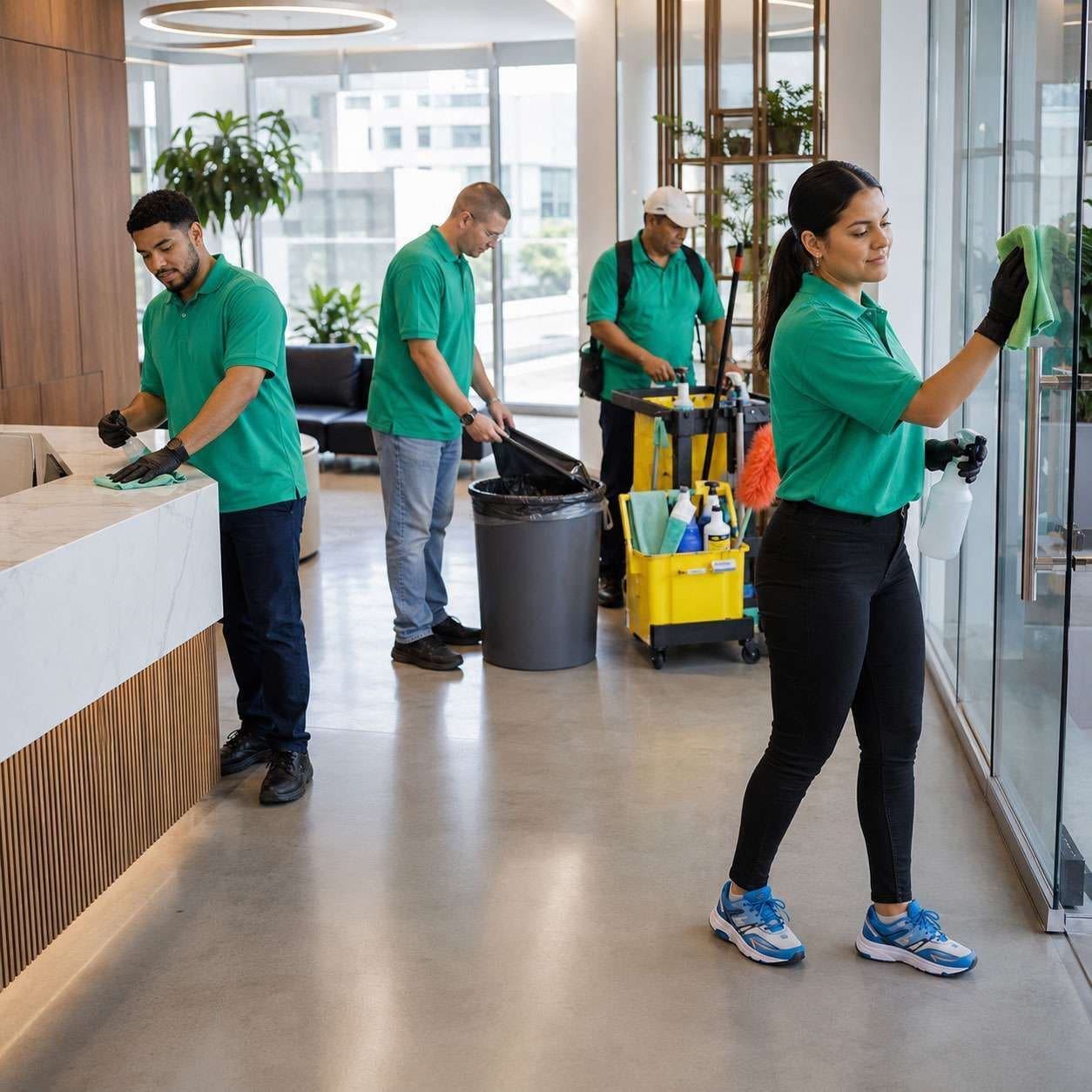
Running a small business means you are likely juggling a dozen different responsibilities on any given day. From managing payroll to keeping clients happy, your to-do list is constantly growing. Amidst this chaos, the cleanliness of your workspace might fall to the bottom of your priorities. However, maintaining a spotless environment is crucial for your company’s success, employee morale, and brand reputation. One effective way to ensure cleanliness is to hire an office cleaning service.
Investing in high-quality cleaning services for small business is not just a luxury; it is a strategic necessity. Whether you need office cleaning services daily or on a flexible schedule, let’s dive into everything you need to know about outsourcing your workplace hygiene, from budgeting and scheduling to understanding contract clauses and eco-friendly standards. Finding a reliable office cleaning service is paramount.

Beyond Appearances: The Real ROI of a Clean Workplace
When you walk into a clean, fresh-smelling office, it immediately sets a professional tone. But the value of a tidy workspace extends far beyond mere aesthetics. An office cleaning service can help achieve this.
First, consider the benefits of professional office sanitization. High-traffic areas like breakrooms, door handles, and conference tables are breeding grounds for bacteria. By investing in professional sanitization through an office cleaning service, you drastically reduce the spread of cold and flu viruses, which in turn minimizes employee sick days and boosts overall productivity.
Furthermore, improving indoor air quality in small offices is a massive but often overlooked benefit. Dust, mold spores, and allergens accumulate quickly in carpets and HVAC vents. Regular, thorough vacuuming and dusting by professionals through an office cleaning service ensure your team is breathing clean air, reducing respiratory issues and afternoon fatigue.
Finally, there are significant outsourced facility management benefits. When you hire experts from an office cleaning service to handle your workplace maintenance, you and your staff can reclaim valuable hours. Instead of asking your marketing manager to take out the Trash or your receptionist to scrub the microwave, your team can focus entirely on revenue-generating tasks.
Unpacking the Services: What to Expect
If you have never hired out your cleaning before, you might be wondering what is included in standard office cleaning. Reputable providers usually offer a baseline package that covers the essentials necessary to keep a workspace functional and presentable.
The Standard Commercial Janitorial Service Checklist
A high-quality provider will typically follow a rigorous checklist that includes:
- Workspaces & Desks: Dusting surfaces, wiping down monitors, and emptying individual wastebaskets.
- Breakrooms & Kitchens: Sanitizing sinks, wiping down countertops, cleaning the exterior of appliances (like microwaves and refrigerators), and mopping floors.
- Restrooms: Disinfecting toilets, sinks, and mirrors, restocking toilet paper and soap, and sanitizing door handles.
- Floors: Vacuuming carpets and rugs, sweeping, and mopping hard surface floors.
- Trash Removal: Collecting all refuse and recycling and taking it to the exterior dumpsters.
While standard cleaning for offices covers the basics, some businesses require a different approach. For instance, specialized sanitizing for retail environments involves a hyper-focus on high-touch customer areas, such as point-of-sale systems, fitting rooms, and product display shelving, ensuring a pristine shopping experience for your buyers.
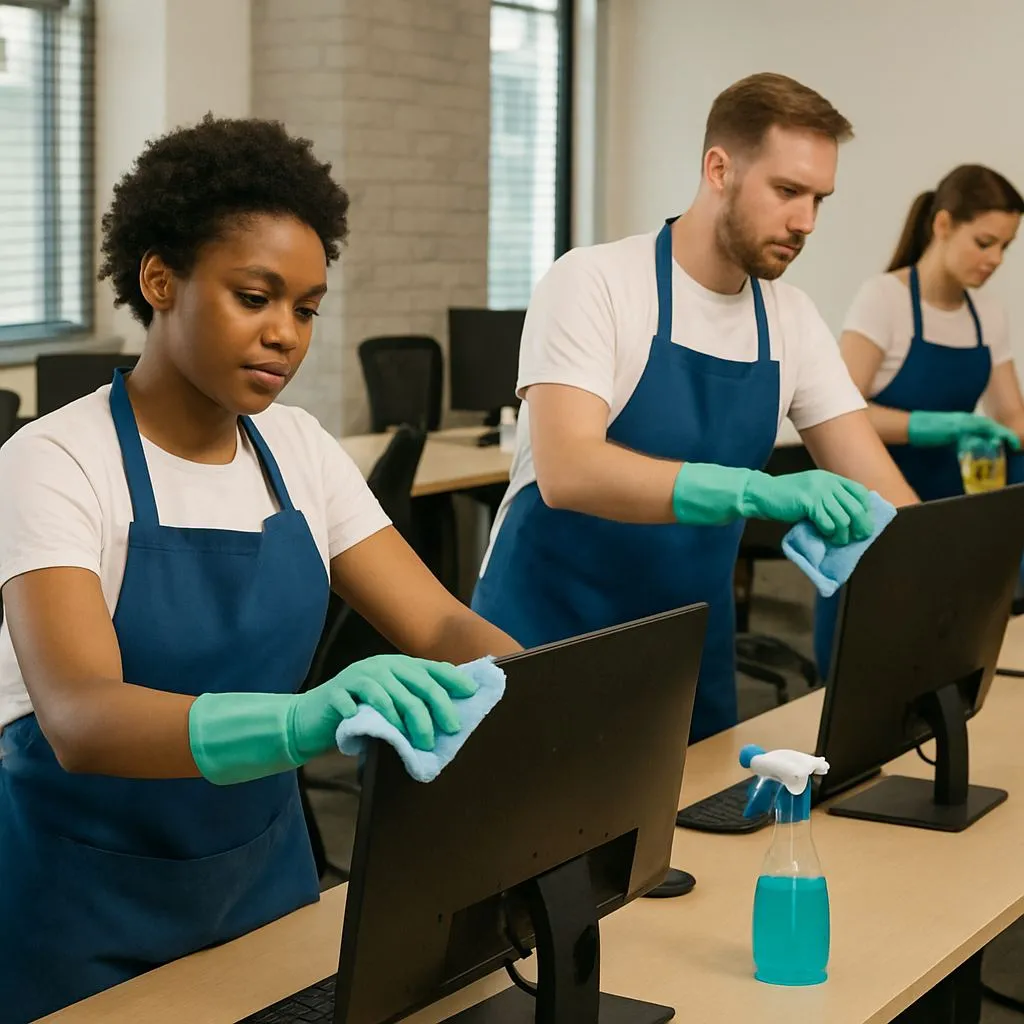
Establishing the Right Frequency
How often should the cleaners come? Finding the sweet spot between maintaining a hygienic space and staying within budget is critical.
The Daily vs Weekly Office Cleaning Schedule
- Daily Cleaning: Best for businesses with high foot traffic, such as medical clinics, bustling retail stores, or offices with more than 15 in-person employees. Daily office cleaning service usually focuses on trash removal, restroom sanitation, and high-touch surface wiping.
- Weekly or Bi-Weekly Cleaning: Ideal for smaller teams, hybrid work models, or low-traffic environments. A weekly schedule typically involves a more thorough, comprehensive cleaning of the entire space since it happens less frequently.
Small Office Deep Cleaning Frequency Guide
Standard maintenance won’t cover everything. You will also need to plan for periodic deep cleaning. Here is a handy guide:
- Monthly: Deep scrub of breakroom appliances (inside the fridge/microwave) and high-dusting (ceiling fans, HVAC vents).
- Quarterly: Professional carpet shampooing or hard-floor waxing/buffing.
- Bi-Annually: Interior and exterior window washing, along with deep upholstery cleaning for lobby furniture.
Making the Choice: Who Should Clean Your Office?
When searching for the right partner, you will inevitably face the choice of an independent cleaner vs commercial cleaning company.
Hiring an independent cleaner is often cheaper. They can offer highly personalized service and a consistent face in your office. However, independent cleaners may lack backup coverage if they get sick, and they might not carry comprehensive liability insurance.
On the other hand, commercial cleaning solutions provide reliability and scale. If one cleaner calls out sick, the agency sends a replacement. They also carry robust workers’ compensation and liability insurance, protecting your business from potential lawsuits. For most growing businesses, professional office cleaning services offered through an established agency provide superior peace of mind.
Budgeting and Financial Considerations
Understanding the costs associated with small business cleaning will help you budget effectively.
Workspace Maintenance Cost Breakdown
To give you an idea of where your money goes, a typical commercial cleaning invoice accounts for:
- Labor (50-60%): The hourly wages of the cleaning staff.
- Supplies & Equipment (10-15%): Cleaning chemicals, vacuums, mops, and protective gear.
- Consumables (10%): Paper towels, toilet paper, soap, and trash bags (if your contract includes restocking).
- Overhead & Margin (15-25%): Insurance, administrative costs, and the cleaning company’s profit.
Uncovering Hidden Funding
Did you know that there are occasionally small business grants for cleaning services? While highly specific, local governments and chambers of commerce sometimes offer workplace safety and hygiene grants. During public health initiatives, grants are often made available to help small businesses upgrade their sanitation standards, purchase PPE, or hire professional cleaners to ensure public safety, including an office cleaning service. Always check with your local Small Business Administration (SBA) office for current programs.
Prioritizing Health and Sustainability
Today’s consumers and employees care deeply about the environment and workplace safety. Choosing the right office cleaning services means looking closely at the chemicals and methods being used in your building.
Steering Clear of Danger
A great cleaning crew will help you identify and eliminate common workplace hygiene hazards to avoid. These include mold growth in poorly ventilated restrooms, cross-contamination from using the same cleaning cloths in the bathroom and the breakroom, and the buildup of pathogens on shared electronic devices like printers and keyboards.
Green Cleaning Initiatives
To combat these hazards safely, ask potential providers about their eco-friendly commercial disinfecting protocols. Traditional cleaning chemicals often contain harsh Volatile Organic Compounds (VOCs) that can trigger asthma and allergies. Eco-friendly protocols used by an office cleaning service employ non-toxic, biodegradable solutions that are tough on bacteria but gentle on human lungs and the planet.
When evaluating a company, look for green cleaning certifications for service providers. Organizations that carry certifications from Green Seal, LEED, or the EPA’s Safer Choice program have proven that their products and operational practices meet strict environmental and health standards.
The Hiring Process and Contract Essentials
So, you are ready to make a move. How to hire a commercial cleaning company without getting locked into a bad deal?
- Read Local Reviews: Look for companies that successfully service businesses similar to yours. Localized searches yield the best results. For example, if you are located in the Midwest, searching specifically for “cleaning services for small business Independence MO” will connect you with providers who understand local regulations and seasonal weather challenges (like salt removal from carpets in winter). You can also try the exact phrase “cleaning services for small business independence mo” to match how many directories list local providers.
- Ask for References: Don’t just read the testimonials on their website. Ask to speak directly to a current client.
- Verify Insurance: Never let an uninsured cleaner onto your premises. Ask for proof of general liability and workers’ compensation insurance.
Securing the Deal
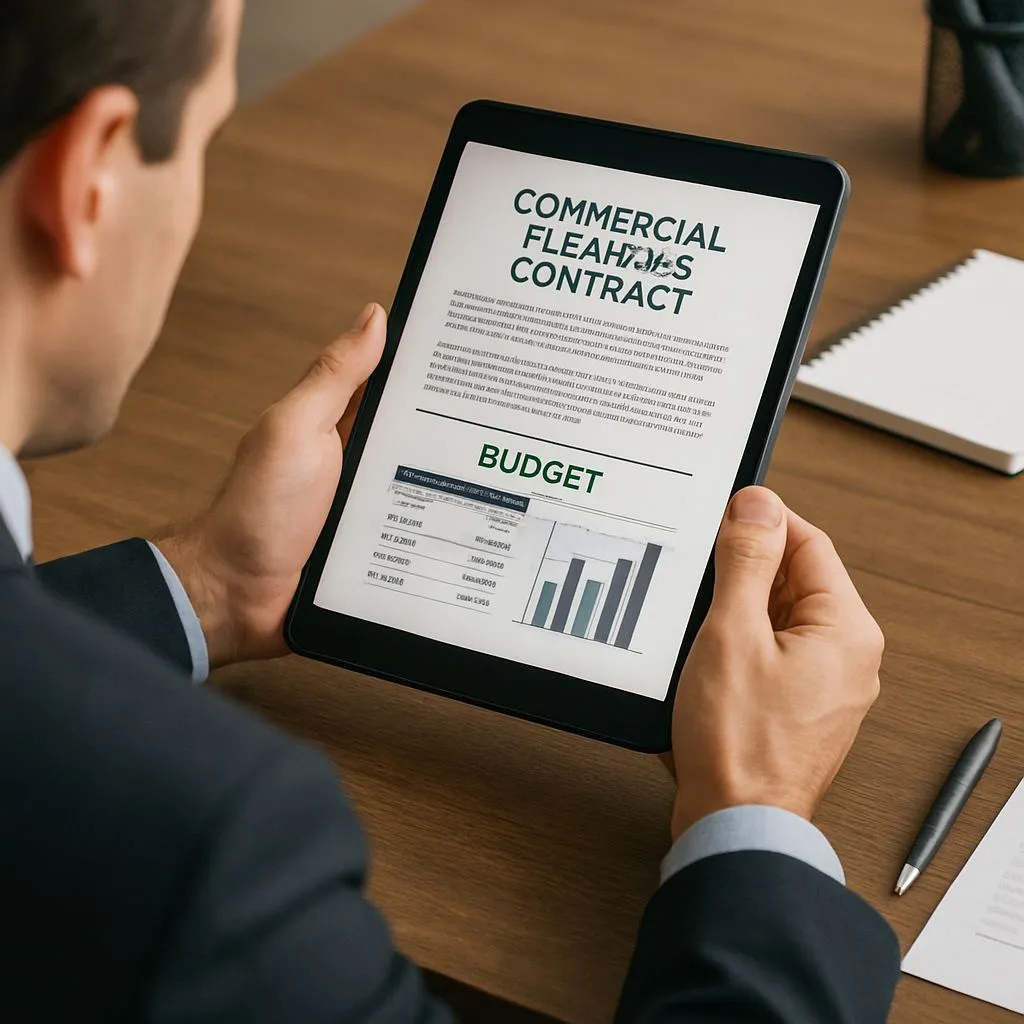
Once you find the right fit, it’s time to sign on the dotted line. However, do not rush this step. There are several essential commercial cleaning contract clauses you must review:
- Detailed Scope of Work: The contract must explicitly list every task to be performed and at what frequency (e.g., “vacuuming all carpeted areas daily,” “cleaning interior windows monthly”).
- Supply Responsibilities: Who is paying for the toilet paper and hand soap? The contract should clearly state whether consumables are billed separately or included in the flat rate.
- Termination Clause: Look for a 30-day cancellation clause. You should not be locked into a year-long contract if the quality of service drops after the first month.
- Security Protocols: Because cleaners often work after hours, the contract should outline keyholding policies, alarm code security, and background check requirements for the staff entering your building.

Final Thoughts on Elevating Your Workspace
At the end of the day, maintaining a clean office is a reflection of how much you value your business, your clients, and your team. By utilizing comprehensive cleaning services for small business settings, including an office cleaning service, you protect your company’s professional image while fostering a healthy, highly productive work environment.
Take the time to evaluate your needs, understand your budget, and thoroughly vet potential partners. Whether you need a daily wipe-down or a deep quarterly scrub, the right commercial cleaning partner is out there ready to help your business shine.
Q&A
Question: What real ROI can a clean workplace deliver beyond looking nice?
Short answer: A professionally cleaned office reduces illness and boosts productivity by cutting virus transmission in high-touch areas (breakrooms, door handles, conference tables). It improves indoor air quality through regular dusting and vacuuming, which lowers allergies and fatigue. Outsourcing also frees your team from non-core chores (trash, microwave scrubs), so they can focus on revenue-generating work—enhancing morale, brand perception, and overall efficiency.
Question: What’s typically included in standard office cleaning, and what counts as add-ons?
Short answer: Standard janitorial packages usually cover:
- Workspaces and desks: dusting, wiping monitors, emptying wastebaskets
- Breakrooms/kitchens: sanitize sinks and counters, clean appliance exteriors, mop
- Restrooms: disinfect fixtures and mirrors, restock supplies, sanitize touchpoints
- Floors: vacuum, sweep, mop
- Trash: remove refuse and recycling to exterior bins Add-ons often include specialized retail sanitizing (POS systems, fitting rooms, display shelving) and periodic deep services: inside-fridge/microwave cleaning, high-dusting, carpet shampooing, hard-floor waxing/buffing, windows, and upholstery.
Question: How often should my office be cleaned, and when do deep cleans make sense?
Short answer:
- Daily: High-traffic spaces (clinics, busy retail) or offices with 15+ in-person staff; focuses on trash, restrooms, and high-touch surfaces.
- Weekly or bi-weekly: Smaller teams or hybrid/low-traffic offices; sessions are more comprehensive.
Deep-clean cadence: monthly (appliance interiors, high-dusting), quarterly (carpet shampooing or floor waxing/buffing), and bi-annually (interior/exterior windows, upholstery).
Question: Is it better to hire an independent cleaner or a commercial cleaning company?
Short answer: Independents are often cheaper and highly personalized but may lack backup if sick and may not carry full liability coverage. Commercial companies provide reliability and scale (easy replacement coverage) and typically hold robust workers’ comp and liability insurance—offering greater protection and peace of mind for growing businesses.
Question: How do I vet providers and what must be in the contract?
Short answer:
- Vetting:
- Read local reviews and search specifically (e.g., “cleaning services for small business Independence MO” or the exact phrase “cleaning services for small business independence mo”).
- Ask for and call current-client references.
- Verify general liability and workers’ compensation insurance.
- Discuss eco-friendly protocols and look for Green Seal, LEED, or EPA Safer Choice-aligned practices.
- Contract essentials:
- Detailed scope with clear frequencies (e.g., “vacuum carpets daily,” “interior windows monthly”).
- Supply responsibilities (who pays for consumables like soap, TP, trash bags).
- A fair termination clause (e.g., 30-day cancellation).
- After-hours security protocols (keyholding, alarm codes, staff background checks).