
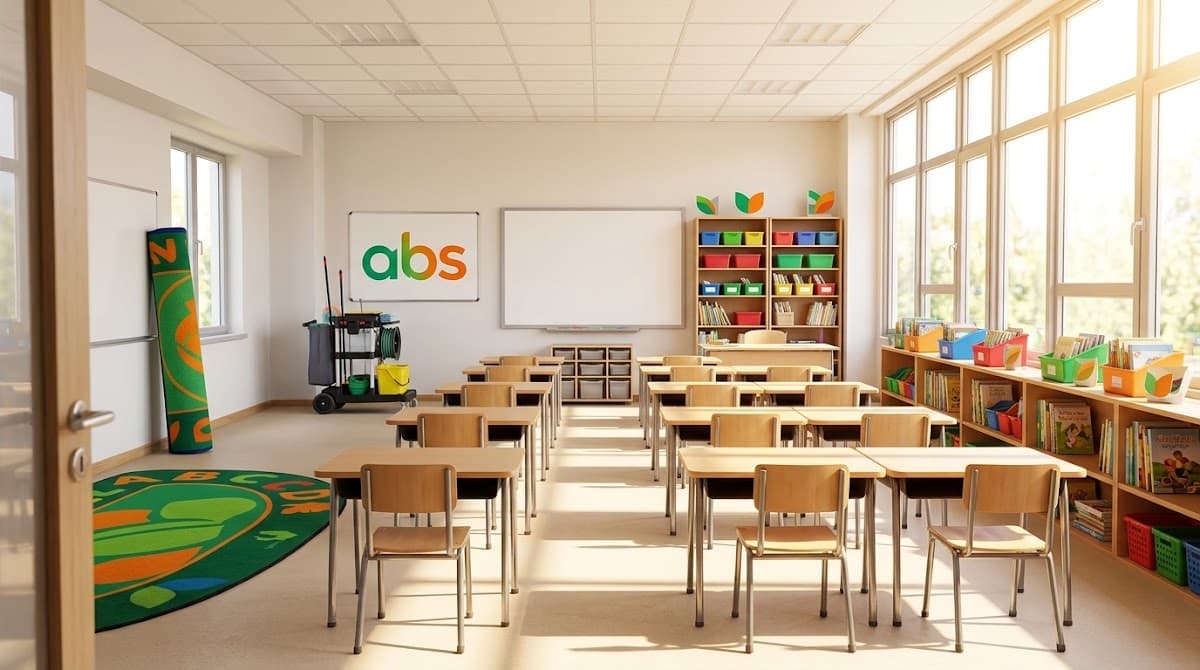
Schools see dozens of people pass through every room each day. Desks, door handles, and shared supplies collect germs faster than most facility managers realize. A structured classroom cleaning checklist breaks those tasks into daily and weekly routines so nothing gets missed.
At ABS Commercial Cleaning, we clean over 5 million square feet daily across five Texas markets, and we've seen firsthand how a consistent routine protects students and staff from preventable illness.
Key Takeaways
Daily tasks focus on frequently touched surfaces, desks, floors, and trash removal.
Weekly cleaning covers deep dusting, full floor care, whiteboards, and technology.
Monthly tasks address vents, windows, blinds, and areas behind furniture.
Schools with a structured checklist prevent illness across the entire school year.
Professional crews handle the work that teachers and students can't reach.
A consistent routine with cleaning checklists keeps every classroom tidy, organized, and ready for learning.
Why a Clean Classroom Matters
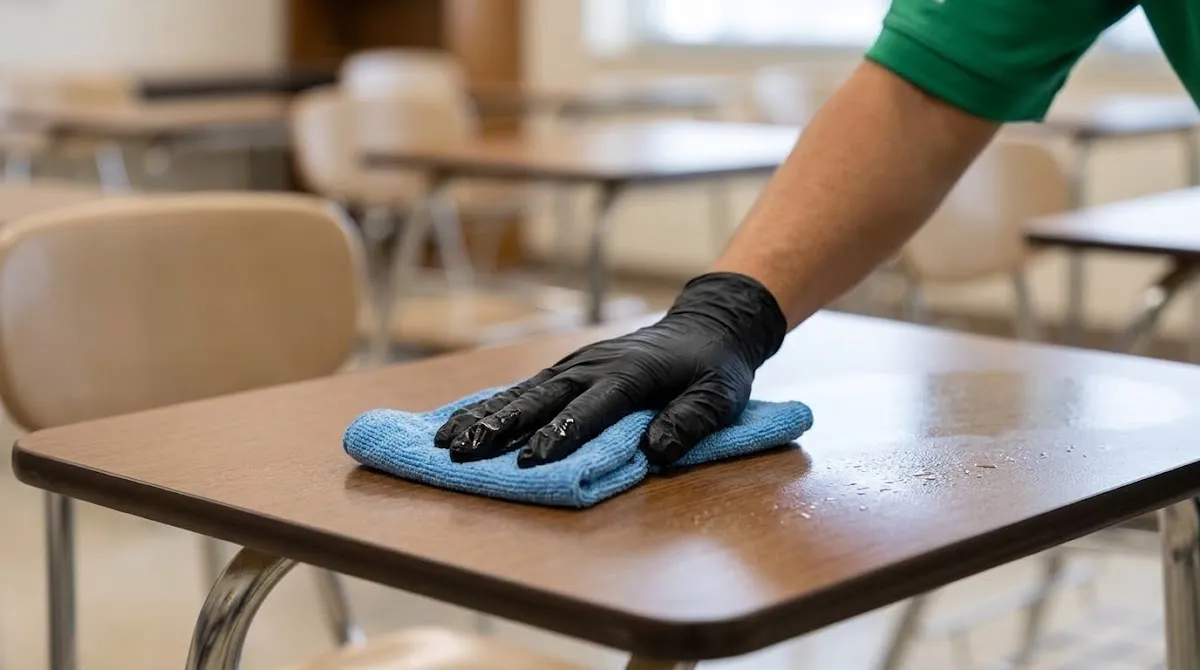 Germs and bacteria thrive on surfaces that dozens of students touch each day. The CDC recommends regular cleaning and sanitization in educational settings to reduce the risk of infection. ISSA's Clean Standard: K-12 combines visual audits with ATP surface testing to measure cleanliness at a microbial level.
A clean classroom also supports the learning environment. Students focus better in spaces that are orderly and free of clutter throughout the school year. Teachers spend less time managing messes and more time teaching. One university study found that readiness scores jumped from 41% to 95% after implementing structured inspection checklists across 349 rooms.
Maintaining a healthy environment means fewer absences, less spread of illness during flu season, and a clear signal to parents that their children's safety matters.
Daily Classroom Cleaning Checklist
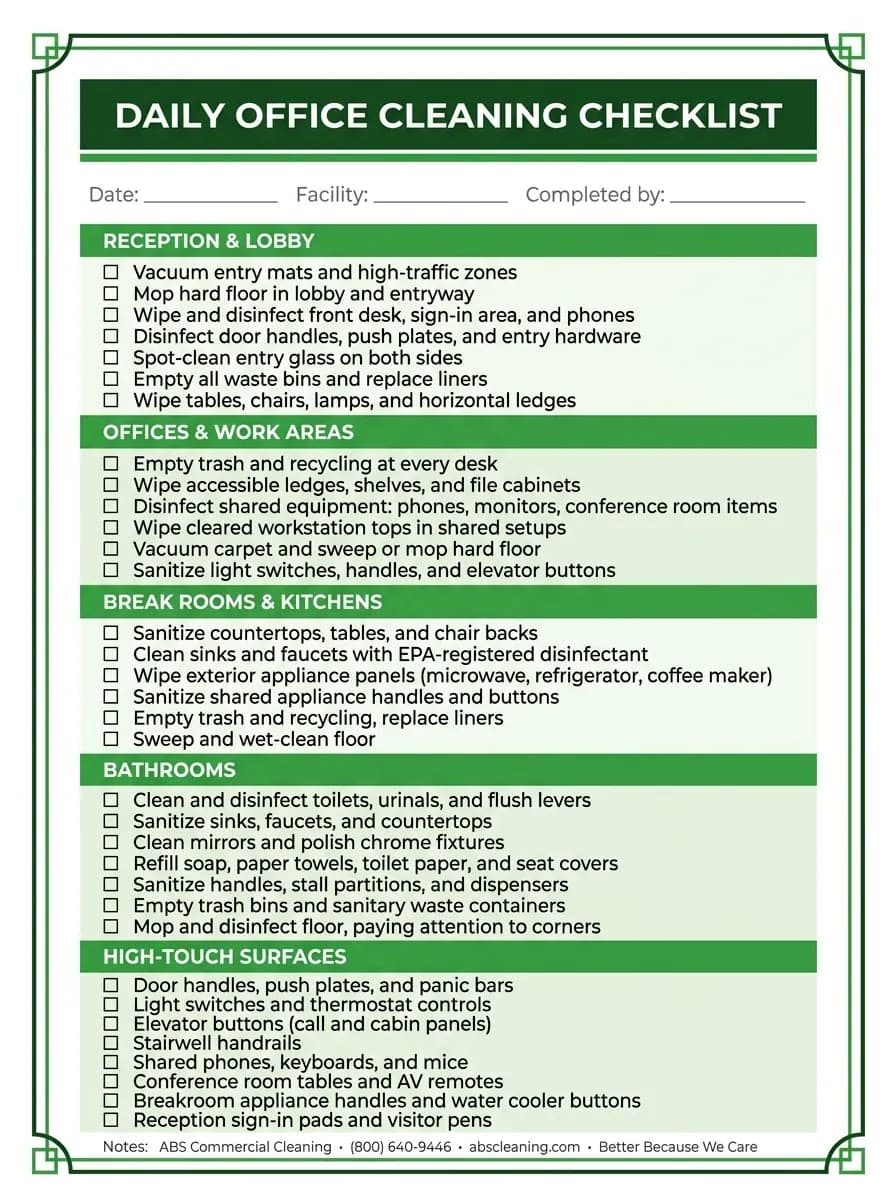
These tasks should happen every school day, either by teaching staff during the day or by your cleaning crew after hours. A solid cleaning routine prevents bigger problems from developing.
Printable
Frequently Touched Surfaces
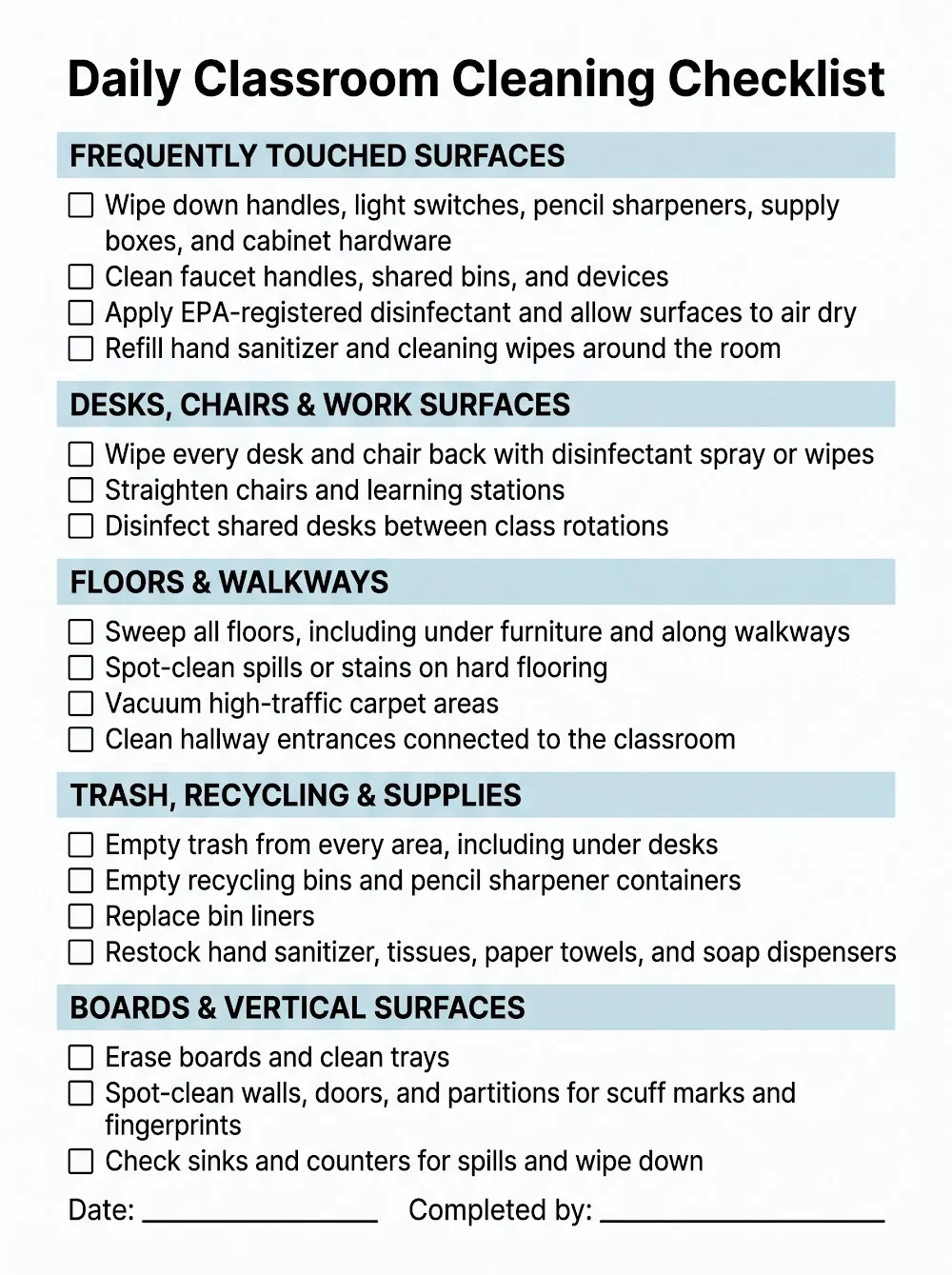
Wipe down every surface people contact repeatedly: handles, light switches, pencil sharpeners, supply boxes, and cabinet hardware. Students don't just touch their work surfaces. They reach faucet handles, shared bins, and devices dozens of times between bells.
Use an EPA-registered disinfectant and allow treated areas to air dry. Keep hand sanitizer and wipes accessible around the room for quick and simple midday cleaning, especially during cold and flu months.
Desks, Chairs, and Work Surfaces
Treat every desk and chair back with a spray or disposable wipe. This is the single most effective daily task for reducing germ transmission in high-touch areas. Straighten chairs and learning stations at the end of each session so the room is properly set up for the next morning.
For schools with shared desks between classes, wipe surfaces between each group rotation. This step makes a measurable difference. It's one of the simplest ways to keep your classroom clean and free from cross-contamination.
Floors and Walkways
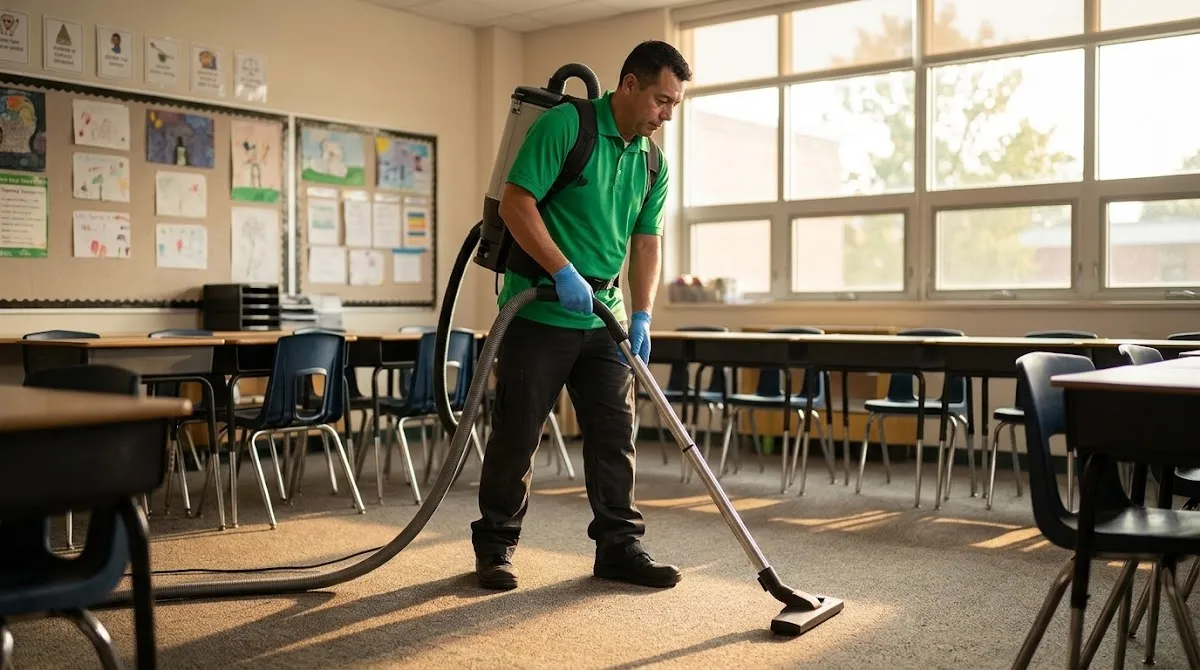
Sweep all floors daily, including under furniture and along walkways where debris collects. Spot-clean any spills or stains on hard flooring. For rooms with carpet, vacuum high-traffic areas daily to prevent buildup.
Clean hallway entrances connected to learning spaces to prevent dirt from tracking into the room. Tidy walkways also reduce slip hazards for everyone in the building.
Trash, Recycling, and Supplies
Take out the trash from every room, including under desks where food wrappers and paper scraps accumulate. Empty recycling bins and pencil sharpener containers. Replace liners daily to prevent pest issues and odors.
Restock hand sanitizer, tissues, paper towels, and soap dispensers. Keeping supplies available helps busy teachers avoid losing instruction time on supply runs.
Boards and Vertical Surfaces
Erase boards and clean trays after each day of use. Spot-clean walls, doors, and partitions to remove scuff marks and fingerprints. Check sinks and counters for spills and wipe them.
Weekly School Cleaning Checklist
Weekly cleaning tasks address the buildup that daily spot cleaning doesn't catch. Schedule these for Friday afternoons or weekend shifts.
Technology: Keyboards, Screens, and Shared Devices
Oil residue and dust accumulate on keyboards, tablet screens, headphones, and mice over the course of a week. Use manufacturer-recommended methods for electronics. A microfiber cloth with isopropyl alcohol works for most devices.
If your school uses shared technology between groups, consider more frequent sanitization to cut cross-contamination.
Dusting and Ventilation
Dust all horizontal surfaces: bookshelves, window ledges, cubbies, supply shelves, and cabinet tops. Wipe ventilation covers and ceiling fan blades. These areas collect allergens that affect students with asthma and allergies.
Organize shelves and rotate learning materials to keep your classroom organized and ready for the new school year ahead.
Full Floor Care
Complete a thorough mop or vacuum of all floors based on surface type. Hard flooring and carpet are both magnets for pathogens, especially in high-traffic areas like entryways and group-work zones. Vacuum carpeted rooms edge to edge, not just the center walkway.
Schools with heavy foot traffic should schedule professional carpet extraction twice per year to extend floor life and help you keep your room in top condition.
Supply Area Organization
Review bookshelves and supply areas to confirm everything is in its place. Check art and craft stations for dried paint, glue, and clutter. Refresh student folders, paper bins, and shared supply containers. An organized space helps students stay organized too.
Monthly and Seasonal Cleaning Tasks
Monthly cleaning targets areas that accumulate grime over longer cycles but still affect daily hygiene.
| Task | What It Covers |
|---|---|
| Vents and fans | Clean vent covers, replace filters, dust ceiling fans |
| Windows and blinds | Wipe glass inside and out, dust blinds, clean window tracks |
| Walls and door frames | Full wipe-down to remove scuff marks, fingerprints, and residue |
| Trash cans | Sanitize inside and outside of every bin |
| Behind furniture | Pull bookshelves and cabinets from walls, sweep and clean behind them |
| Cabinets and storage | Dust, wipe, and reorganize supply closets |
| Fabric items | Launder or clean rugs, curtains, and cloth-covered furniture |
Seasonal deep cleaning happens during school breaks. Professional cleaners strip and recoat hard floors, extract soil from soft flooring throughout the building, treat every surface, and inspect furniture for wear or damage.
Beyond the Room: Cafeteria, Gym & Restroom Cleaning
A school classroom cleaning checklist only covers part of the building. Every school needs separate cleaning checklists for shared spaces.
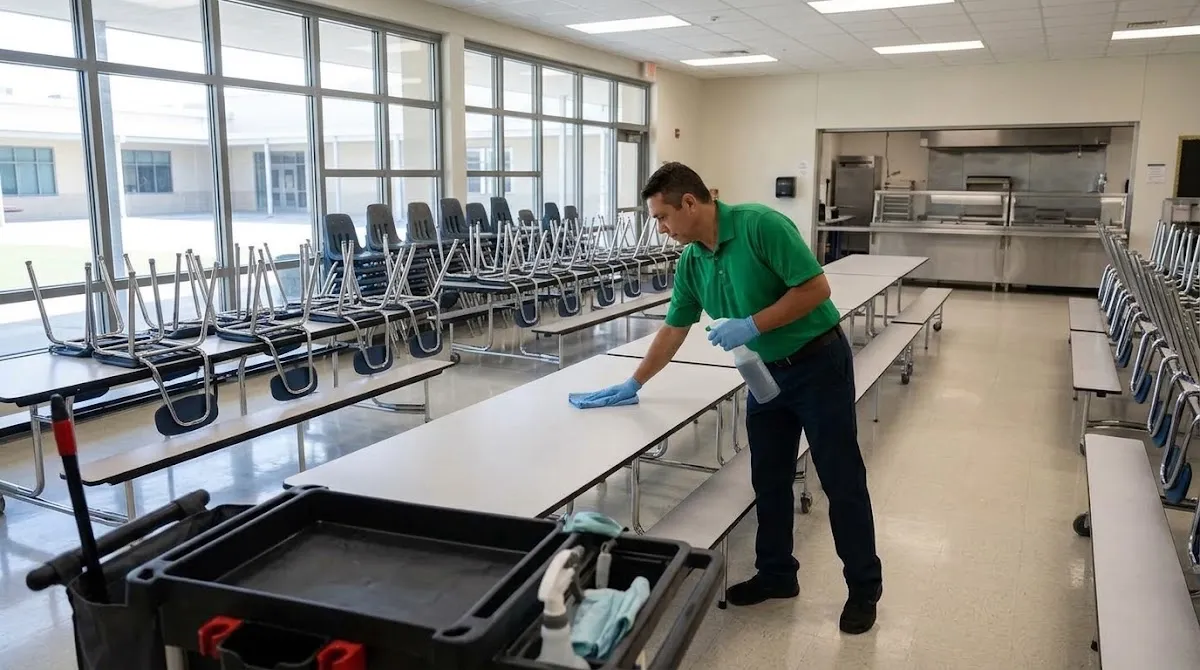
Cafeteria: Wipe tables and chairs after every meal service. Sweep and clean floors to prevent pest issues. Treat serving areas, trays, utensils, and drink stations.
Gymnasium: Wipe bleachers, treat sports equipment and mats, and sweep the gym floor daily. Wax floors before events. Locker rooms need daily treatment of showers, benches, and lockers.
Restrooms: Treat toilets, sinks, partitions, and hardware multiple times daily. Restock soap, paper towels, and toilet paper on a set schedule. Maintain odor control. Restroom sanitation in schools requires strict standards to protect student health.
Corridors: Sweep and clean daily. Treat lockers, cubbies, and water fountains. Refill hand sanitizer stations across the building.
Schools with on-site daycare or preschool programs need additional protocols: sanitize toys after every use, treat diapering areas between children, and use EPA-approved, child-safe products.
How Professional Cleaning Keeps Your School Ready for Learning
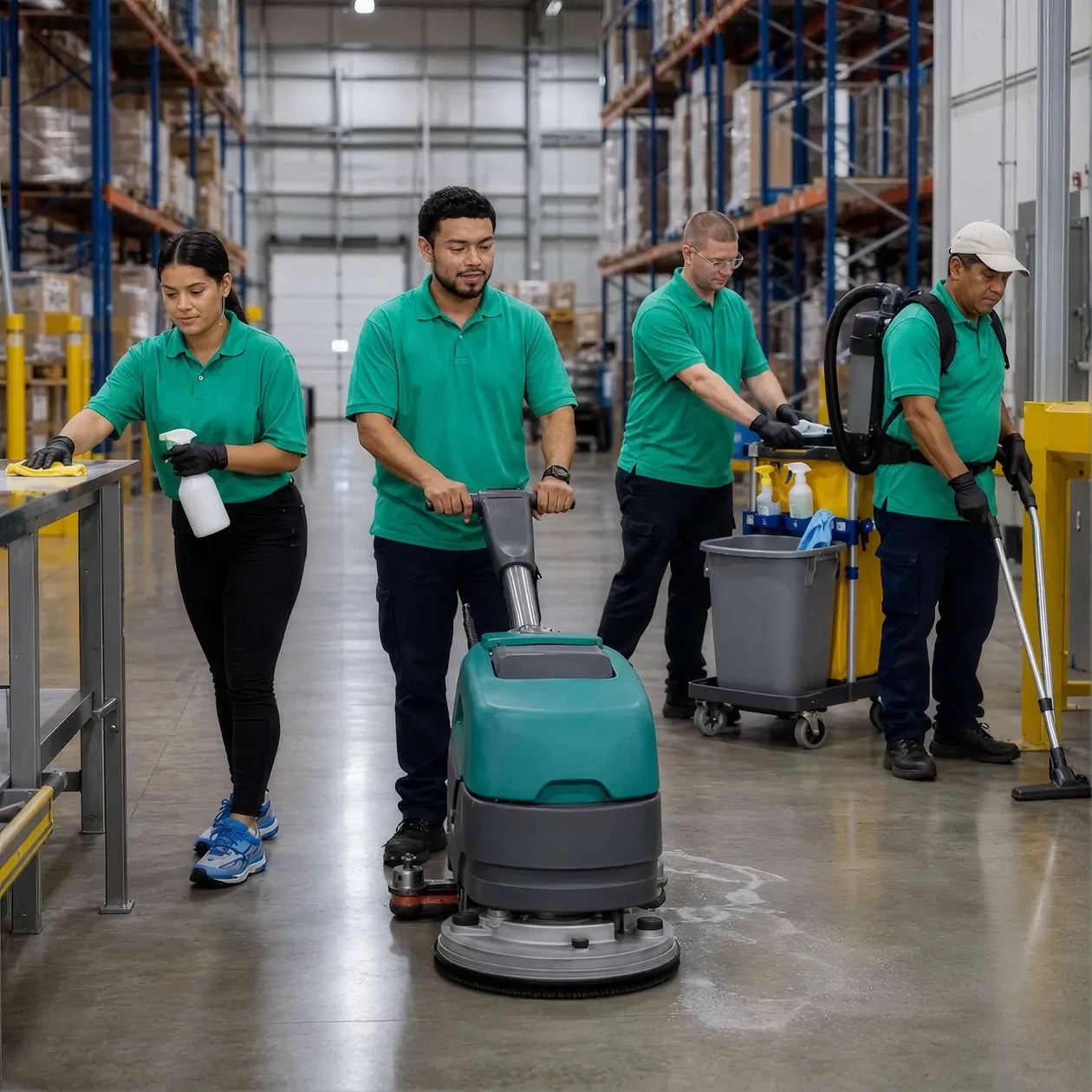
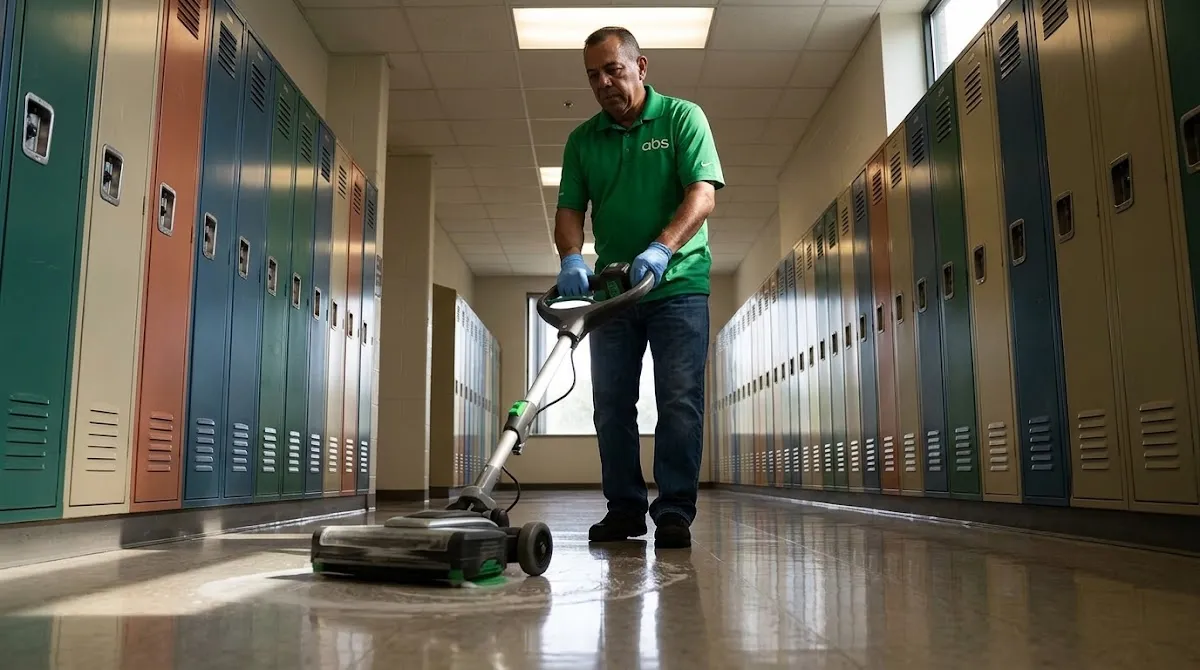
Teachers handle the daily routine: wiping desks, organizing materials, and keeping their rooms tidy. But professional cleaning crews tackle the work that teachers can't, and shouldn't have to. Floor scrubbing, restroom sanitation, corridor maintenance, and building-wide treatment require trained crews and commercial-grade equipment.
At ABS, our school cleaning teams are background-checked, professionally trained, and paid above-average wages. We build a customized cleaning plan around your facility's size, schedule, and compliance needs. Every school gets a dedicated crew, so the same people clean your building every visit.
Whether you need nightly janitorial service or a one-time deep cleaning between semesters, we help you stay on top of every cleaning task. We serve schools across Austin, Houston, San Antonio, Dallas, and Fort Worth.
Call (737) 289-0337 or request a free quote to get started.
Frequently Asked Questions About Classroom Cleaning
How often should a school be cleaned?
Every classroom needs basic attention each day, with deeper cleaning tasks scheduled weekly and monthly. Daily work includes treating high-touch surfaces, sweeping floors, emptying trash, and restocking supplies. Weekly tasks cover full floor care, dusting, and equipment cleaning. Monthly tasks address vents, windows, and behind-furniture areas.
What is the difference between cleaning, sanitizing, and disinfecting?
Cleaning removes visible dirt and debris with soap and water. Sanitizing reduces pathogens to levels considered safe by public health standards. Disinfecting kills bacteria, viruses, and fungi on hard, non-porous surfaces. Schools should disinfect high-touch surfaces daily and sanitize general areas as part of their regular cleaning schedule.
What are the most important areas to clean in a school?
Frequently touched contact points top the list: handles, desks, light switches, device screens, and shared bins. Restrooms need multiple daily cleanings. Lunch areas require treatment after every meal. Corridors and entryways need daily sweeping to keep your school free of tracked-in debris.
How can schools reduce the spread of germs during cold months?
Increase how often crews treat frequently touched surfaces and shared equipment. Stock every room with hand sanitizer and tissues. Encourage frequent handwashing among everyone in the building. Make sure to check that ventilation systems are clean and filters are fresh. Schools that maintain a consistent schedule see fewer sick days during peak illness periods.
Should schools use green cleaning products?
The EPA recommends products labeled non-toxic, biodegradable, or water-based for educational settings, especially in early learning spaces used in classrooms with young children. Child-safe, EPA-registered products reduce chemical exposure while still eliminating pathogens. Ask your cleaning service provider about eco-friendly options for your facility.